
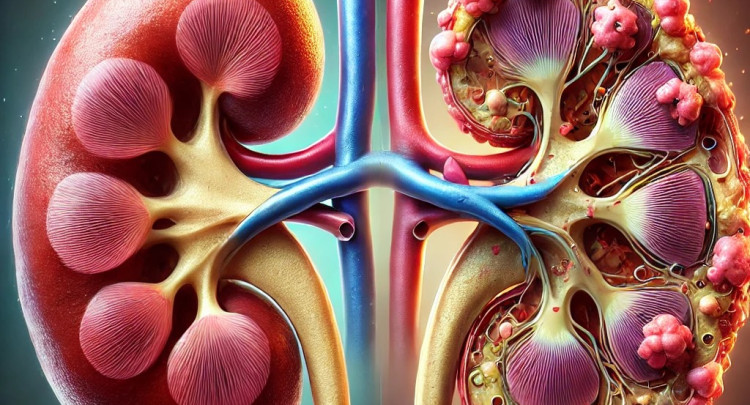
Kidneys: The Unsung Heroes of Your Health
Imagine a sophisticated filtration system, working tirelessly 24/7, keeping your internal environment pristine. That’s precisely what your kidneys are: two bean-shaped powerhouses, each about the size of your fist, nestled just below your ribcage. But they’re not just passive filters—they are dynamic regulators, vital for your overall well-being.
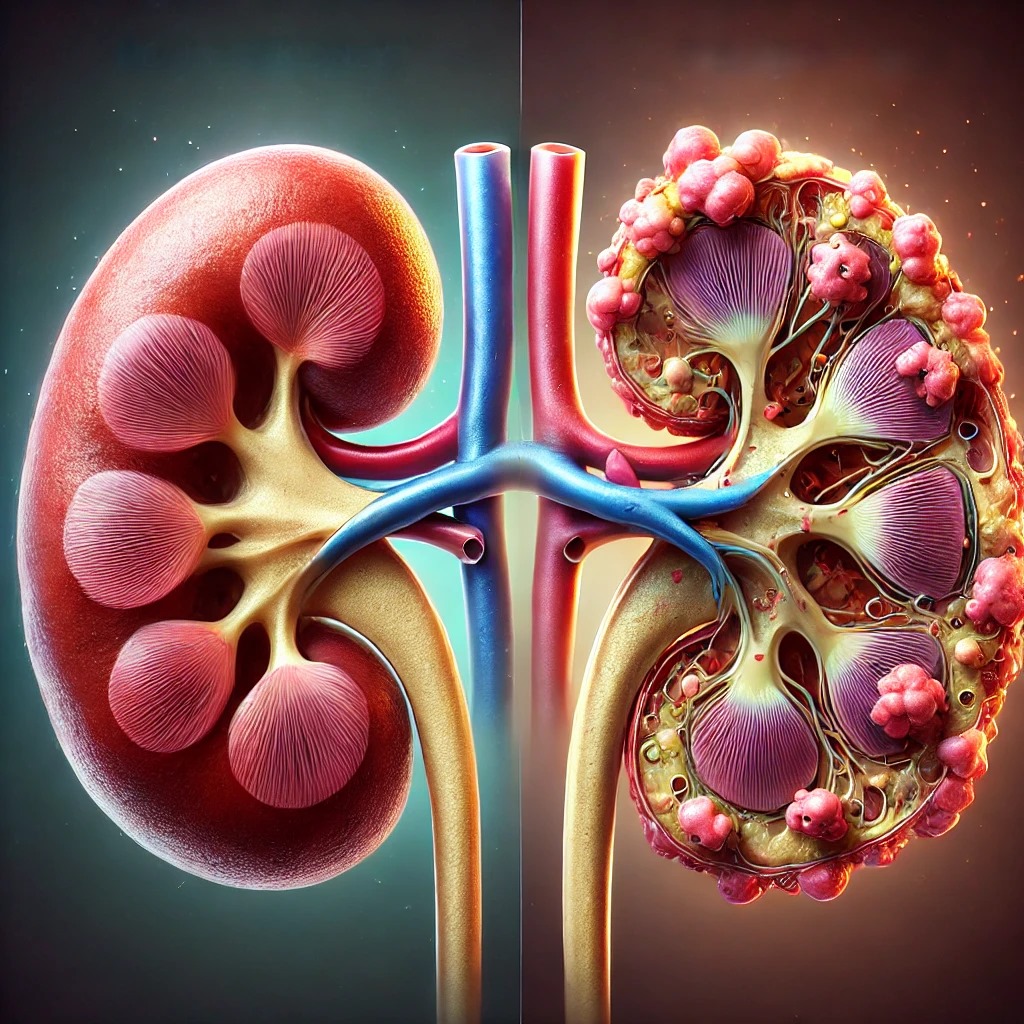
The Multifaceted Roles of Your Kidneys
Beyond simply filtering waste and transforming it into urine, your kidneys perform numerous critical functions. They meticulously regulate fluids, ensuring the perfect balance of water, salts, and minerals. Ever wondered how your blood pressure stays in check? Your kidneys manage sodium and potassium levels with precision.
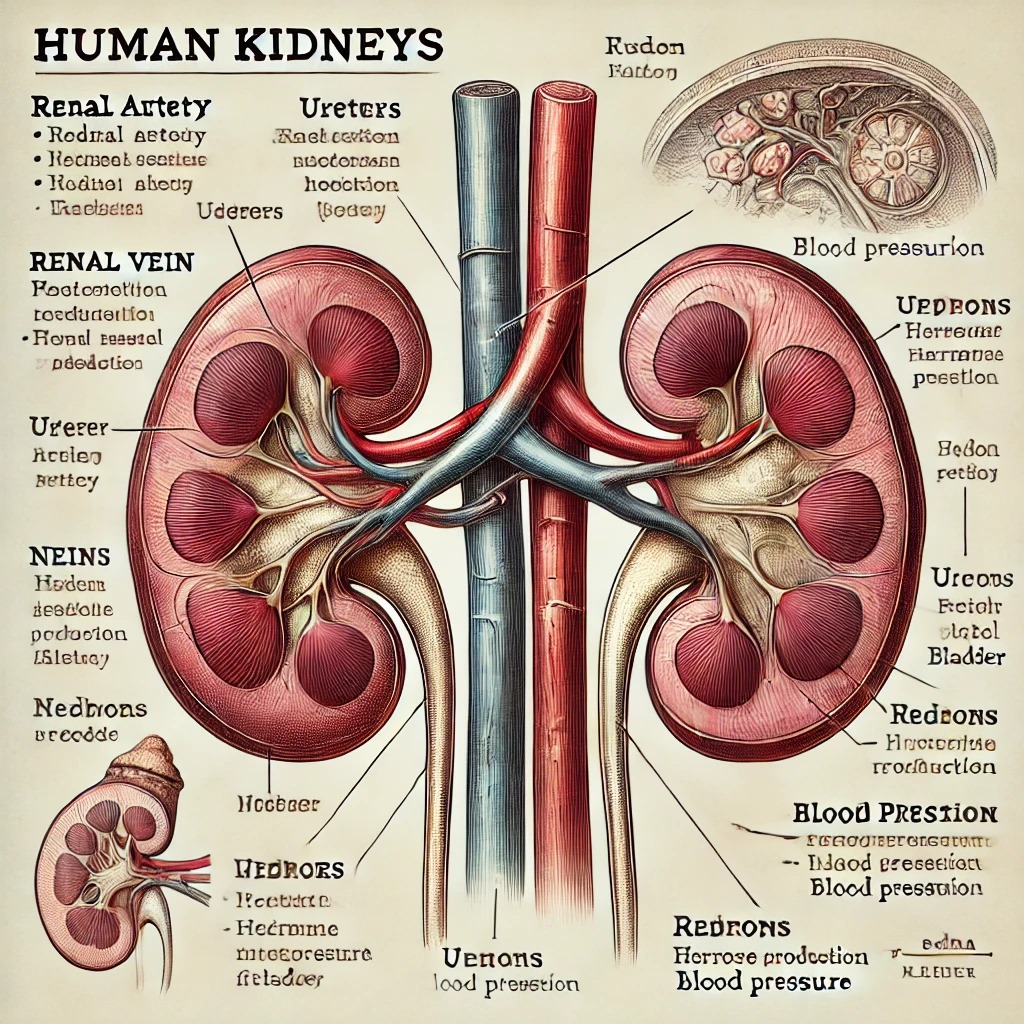
They are also the architects of red blood cell production, releasing erythropoietin, a hormone that stimulates bone marrow. For strong bones, your kidneys regulate calcium and phosphorus, preventing mineral and bone disorders. They even activate Vitamin D, essential for calcium absorption.
Nurturing Your Kidney Health: A Lifestyle Approach
How do we support these vital organs? The key lies in mindful lifestyle and dietary choices.
1. Hydration: The Elixir of Kidney Health
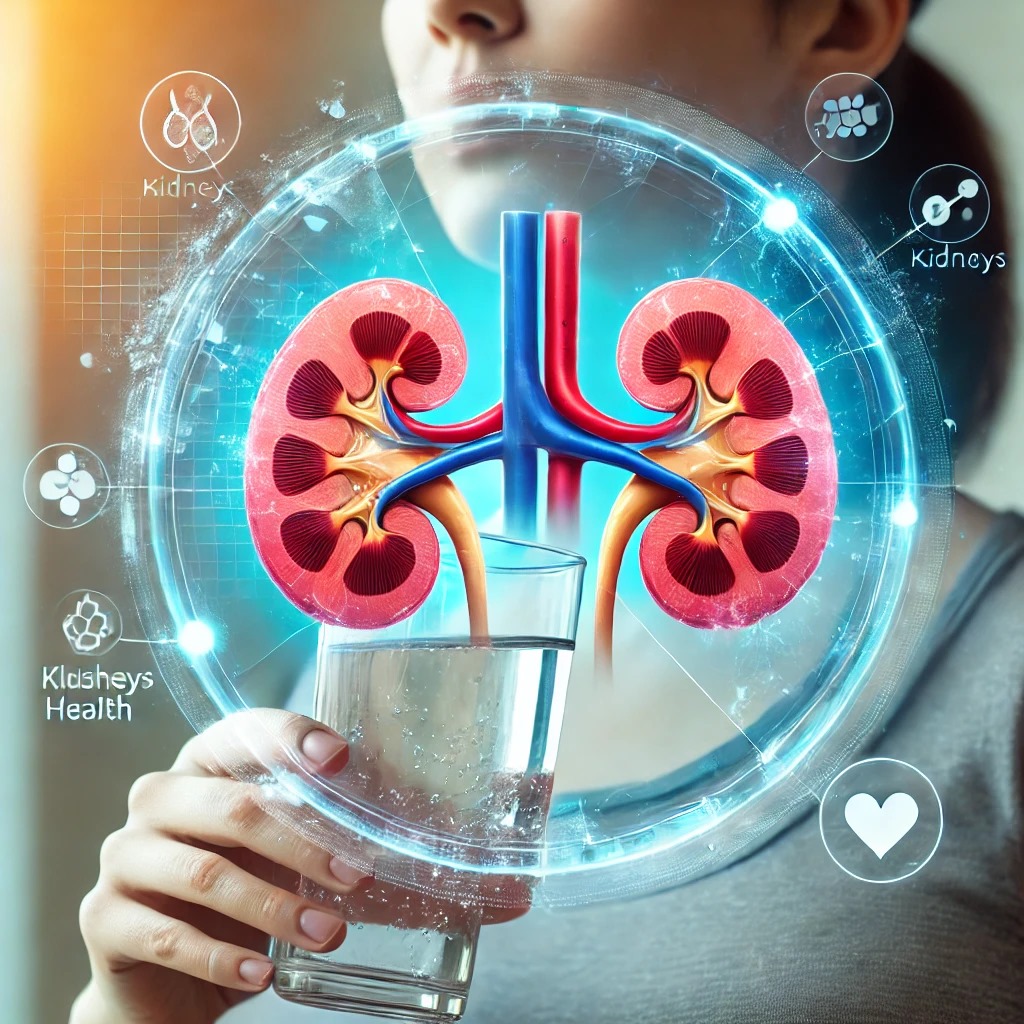
Water is the lifeblood of your kidneys. Aim for at least two liters daily to allow efficient toxin elimination. Dehydration can lead to kidney stones and urinary tract infections, which, if left untreated, can damage your kidneys over time.
2. The Power of Clean Living
A diet rich in whole, unprocessed foods is crucial. Prioritize quality proteins, vibrant fruits, diverse vegetables, whole grains, and healthy fats. But clean living extends beyond diet.
Your kidneys, the ultimate detoxifiers, constantly battle chemicals from everyday products. Fragrant detergents, luxurious shower gels, and perfumes might contain hidden toxins like phthalates and parabens. Even plastics can leach BPA, overloading your kidneys and potentially leading to chronic health issues.
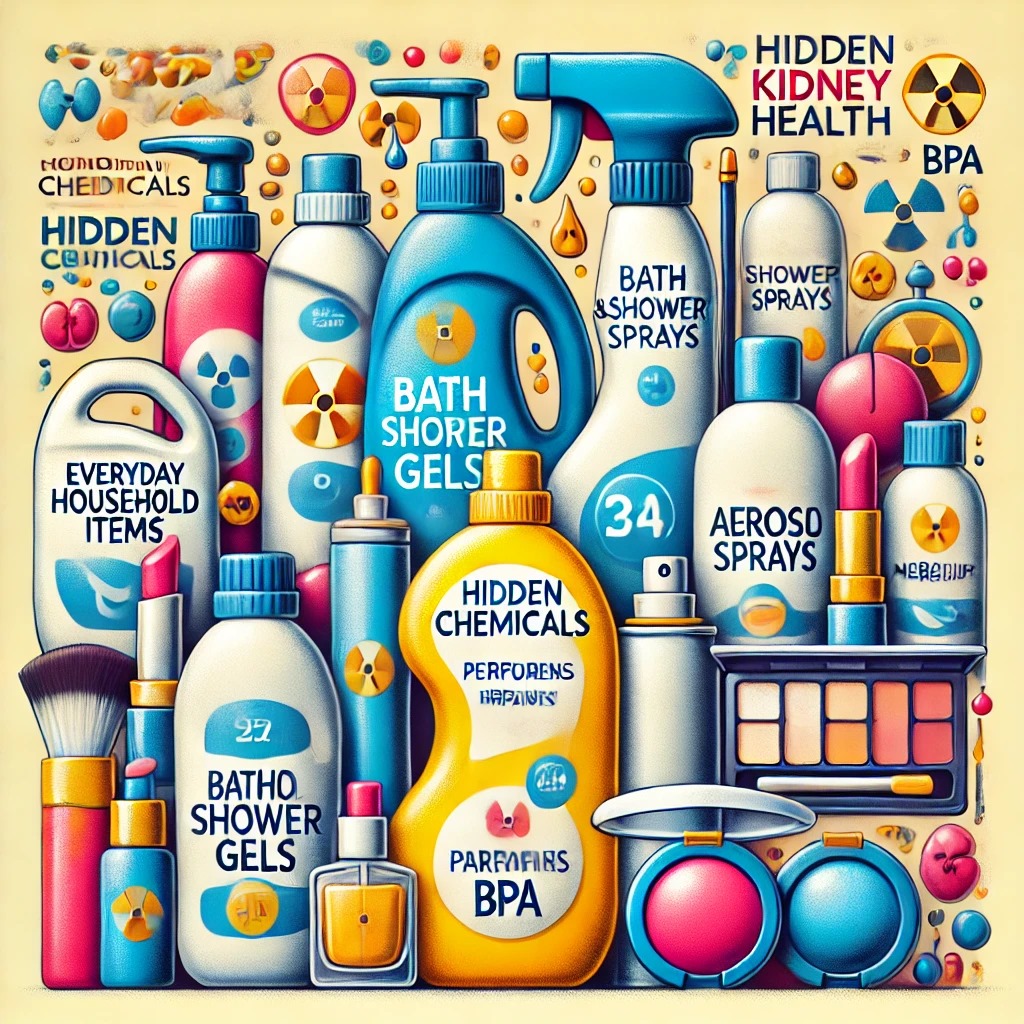
Consider a cautionary tale: a woman whose skincare regimen led to acute kidney injury (AKI). Despite ongoing dialysis, her condition worsened, culminating in a kidney transplant. Only then was the culprit—chemical-laden skincare—identified, highlighting the insidious nature of hidden toxins. Even “healthy” teas can harbor pesticides, compromising your filtration system. Are you unknowingly overloading your kidneys?
3. Blood Sugar and Blood Pressure: The Silent Threats
Uncontrolled blood sugar and blood pressure are leading causes of kidney disease. Diabetes can lead to diabetic nephropathy, where prolonged high blood sugar damages kidney filters, potentially progressing to end-stage renal disease (ESRD). Similarly, hypertension thickens and narrows kidney blood vessels, reducing blood flow and leading to hypertensive nephrosclerosis, ultimately risking ESRD.
4. The Painkiller Paradox
Nonsteroidal anti-inflammatory drugs (NSAIDs) like ibuprofen and naproxen offer relief but can silently harm your kidneys. They reduce blood flow, trap fluids, raise blood pressure, and can even trigger AKI or chronic kidney disease (CKD) with long-term use. Use them sparingly, stay hydrated, and consult your doctor, especially if you have pre-existing conditions.

5. Smoking and Alcohol: The Kidney Saboteurs
Smoking introduces toxins like cadmium, which damage nephrons—the kidney’s filtering units. Even low doses are harmful. Quitting smoking for just three months can lower cadmium concentrations and potentially slow or halt further kidney damage.

Excessive alcohol consumption leads to dehydration, high blood pressure, and liver damage, all of which strain your kidneys. In Kenya, alcohol consumption is a significant public health concern, underscoring the need for moderation. Globally, alcohol-related kidney disease is on the rise, making awareness and responsible consumption critical.
6. The Vital Role of Exercise
Regular physical activity aids weight management, blood pressure control, and overall kidney function.
- Aerobic Activities: Walking, swimming, cycling, or aerobic dancing improve cardiovascular health, which is closely linked to kidney function.
- Strength Training: Low-intensity weight training with high repetitions helps maintain muscle mass without overstraining the kidneys.
- Frequency: Aim for 30 minutes of moderate exercise, three to five times a week.
- Customization: Tailor exercise programs to individual needs, and always include warm-ups and cool-downs.

A study involving adults aged 70–89 found that regular moderate-intensity physical activity slowed kidney function decline. Participants engaging in structured exercise had better estimated glomerular filtration rate (eGFR) levels, demonstrating that movement matters at any age.
7. Regular Check-ups: Early Detection is Key
For those with risk factors like diabetes, hypertension, or a family history of kidney disease, regular check-ups are essential.
- Blood Pressure Monitoring: Essential for detecting hypertension, a key risk factor for kidney damage.
- Blood Tests:
- Serum Creatinine: Measures kidney waste filtration; elevated levels suggest impairment.
- Estimated Glomerular Filtration Rate (eGFR): Indicates overall kidney function.
- Blood Urea Nitrogen (BUN): High levels can signal kidney dysfunction.
- Urine Tests:
- Urinalysis: Detects abnormalities like protein or blood in urine, early signs of kidney disease.
- Albumin-to-Creatinine Ratio (ACR): Identifies small protein leaks, an early indicator of kidney damage.
- Comprehensive Metabolic Panel (CMP): Provides insights into kidney function, electrolyte balance, and metabolic health.
- Imaging Studies: Ultrasound or CT scans visualize kidney structure, detecting abnormalities.
A clean bill of kidney health includes normal blood pressure, optimal serum creatinine and eGFR levels, no protein or blood in urine, balanced electrolytes, and no structural abnormalities on imaging tests.
Navigating Kidney Disease: Chronic Kidney Disease and Acute Kidney Injury
For those diagnosed with CKD (a progressive loss of kidney function) or AKI (a sudden decline in kidney function), management is crucial.
- CKD Management: Slowing disease progression through medication, dietary changes, and in advanced cases, dialysis or even kidney transplantation.
- AKI Treatment: Addressing the underlying cause, fluid management, and in some cases, temporary dialysis to support recovery.
Both conditions require close collaboration with healthcare providers, regular monitoring, and a kidney-friendly lifestyle, including dietary modifications (adjusting sodium, phosphorus, potassium, protein, and fluid intake), medication adherence, and symptom monitoring.
Empower Your Kidney Health
Your kidneys are your body’s unsung heroes. By making informed lifestyle choices and seeking expert guidance, you can safeguard their health and ensure a vibrant, fulfilling life.
Remember, nutrition is a cornerstone of kidney health. A balanced diet and adequate hydration are essential for maintaining kidney function. For those living with kidney disease, specialized dietary management is crucial in slowing disease progression and managing symptoms effectively.
This is where a renal dietitian becomes an invaluable partner. These specialists provide personalized nutritional guidance, tailored to your unique needs, helping you navigate kidney-friendly eating. Whether you’re dealing with CKD or AKI, a renal dietitian can create customized meal plans, educate you about dietary restrictions, and monitor your nutritional status, ensuring you have the tools and knowledge to thrive.
If you are living with kidney disease or are concerned about your kidney health, contact us today for personalized nutrition care. Our specialized nutrition services can help you manage kidney disease through tailored meal plans and expert guidance. Don’t wait—take control of your kidney health today.